A Grave, a Frontman and a Babylonian God: The Names Behind Sepultura, Danzig and Marduk
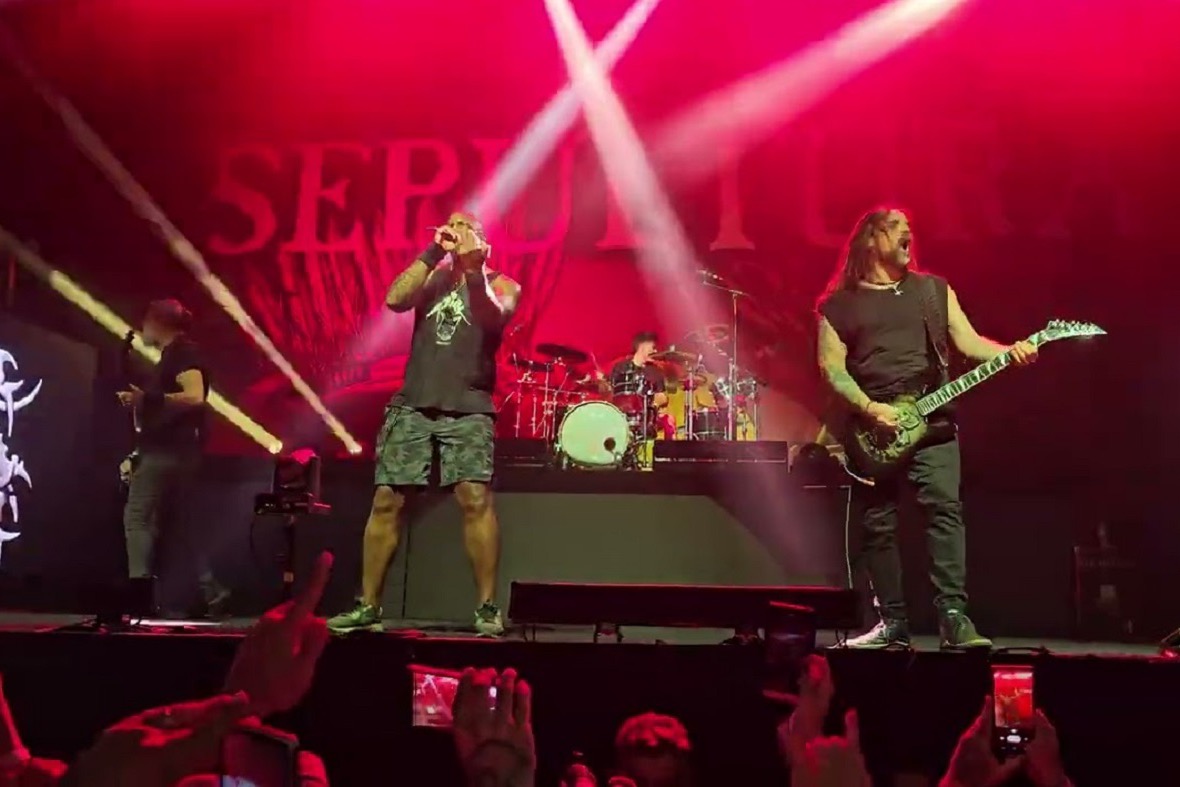
Max Cavalera was translating the lyrics of Motörhead's "Dancing on Your Grave" when he landed on a word: sepultura, Portuguese for "grave". That was 1984, in Belo Horizonte, and the name stuck. Heavy bands tend to pick names that carry weight, and two others from the same few years make a good pair to read about next: Danzig, from Lodi, New Jersey, and Marduk, from Norrköping, Sweden.
This is a short guide to both: where the names come from, the records that are a good place to start, and a piece from each band's range that suits a wardrobe already full of black.
Three bands, six years apart
The timeline is tight. Sepultura was founded in 1984 by the brothers Max and Igor Cavalera. Danzig formed in 1987. Marduk followed in 1990. Three countries, three very different sounds, all of them coming up in the same window when heavy music was splitting into new directions.
- Sepultura: Brazilian heavy metal, chiefly groove, thrash and death metal, with later alternative metal influences.
- Danzig: American heavy metal with a blues and doom feel.
- Marduk: Swedish black metal, its early records carrying a death metal influence.
If you know Sepultura's run from Morbid Visions (1986) to Quadra (2020), you already know what a long catalogue looks like. Both of these bands have one too.
Who is Danzig named after?
The man at the front. Danzig takes its name from its founder and frontman, Glenn Danzig, who sang in the Misfits and then Samhain before starting the band. It grew out of Samhain after Glenn was introduced to the producer Rick Rubin.
The original lineup was Glenn Danzig on vocals, rhythm guitar and keyboards, Eerie Von on bass, John Christ on lead guitar and Chuck Biscuits on drums. That line recorded the first four albums:
- Danzig (1988)
- Danzig II: Lucifuge (1990)
- Danzig III: How the Gods Kill (1992)
- Danzig 4 (1994)
The same four also made the EP Thrall-Demonsweatlive (1993). In fall 1994 two Danzig records went gold: the first album and Thrall-Demonsweatlive. If you want the story of that era album by album, the band tells it in its post on the first four Danzig albums.
The catalogue keeps going from there: Blackacidevil (1996), 6:66 Satan's Child (1999), I Luciferi (2002), Circle of Snakes (2004), Deth Red Sabaoth (2010), the covers record Skeletons (2015), Black Laden Crown (2017) and Danzig Sings Elvis (2020).
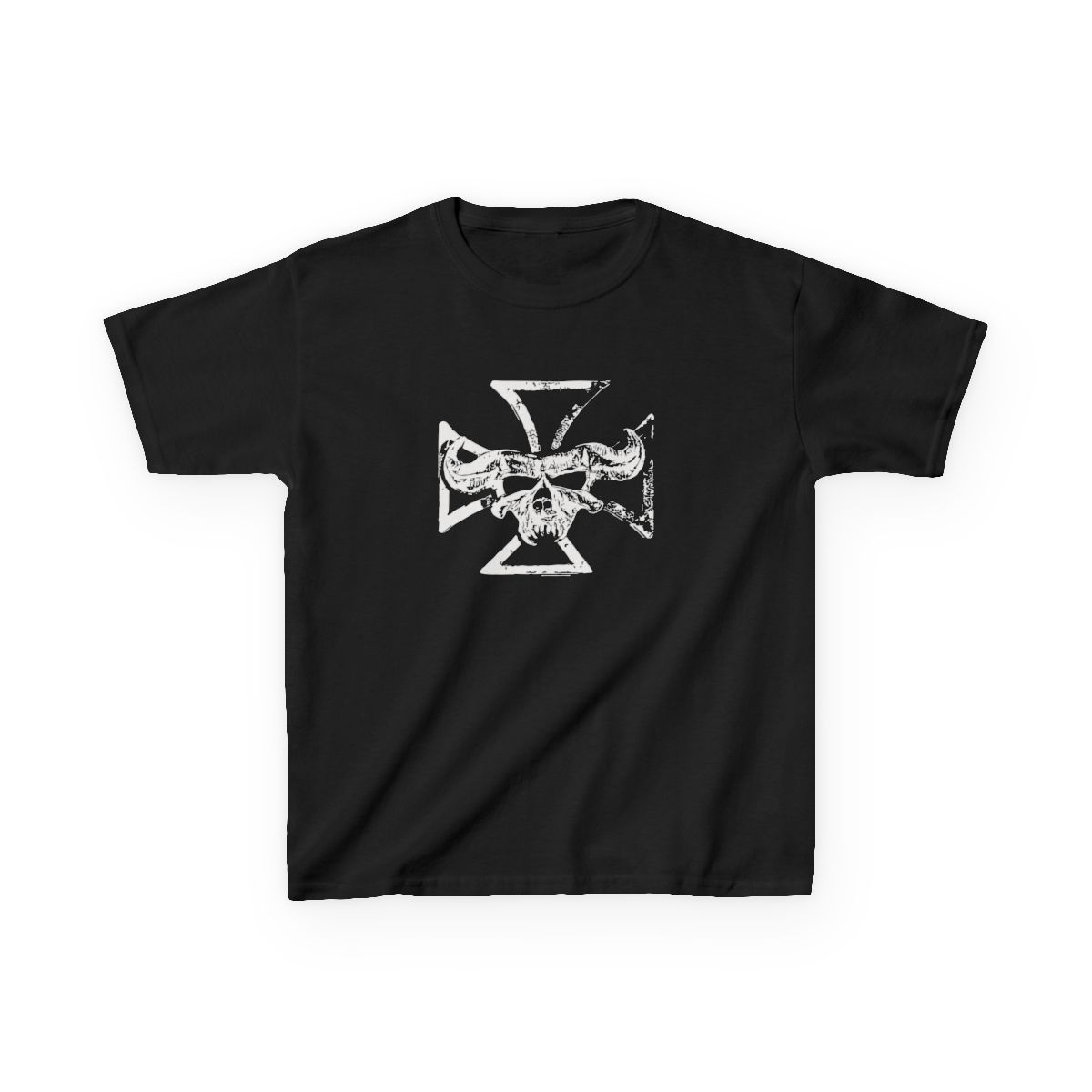
A Danzig piece to know
The skull is the Danzig image people recognise, and the Skull and Iron Cross design puts a light-grey horned skull above a cross-pattée. It sits in black, bone white and grey, the same stark colours as the band's artwork, so it wears the way a Sepultura logo tee does: plain, heavy, easy to pair with dark denim. The range also covers album art, like the red outline design for Black Laden Crown and the hooded figure for Deth Red Sabaoth.
Why is Marduk named after a god?
Marduk took its name from the ancient Babylonian deity Marduk. The band was started in Norrköping in 1990 by guitarist Morgan Steinmeyer Håkansson, who is still the only original member in it. The vocalist Mortuus has been with the band since 2004, first heard on Plague Angel.
If Sepultura's early years, the Morbid Visions and Schizophrenia records, are your favourite part of their story, Marduk's first decade is a natural next step. It started with a 1991 EP and the debut album Dark Endless (1992), then moved fast:
- Those of the Unlight (1993)
- Opus Nocturne (1994)
- Heaven Shall Burn... When We Are Gathered (1996)
- Nightwing (1998)
- Panzer Division Marduk (1999)
Later records include World Funeral (2003), Wormwood (2009), Frontschwein (2015), Viktoria (2018) and Memento Mori (2023). Across all of them the mood stays severe: black, blood red and bone white.
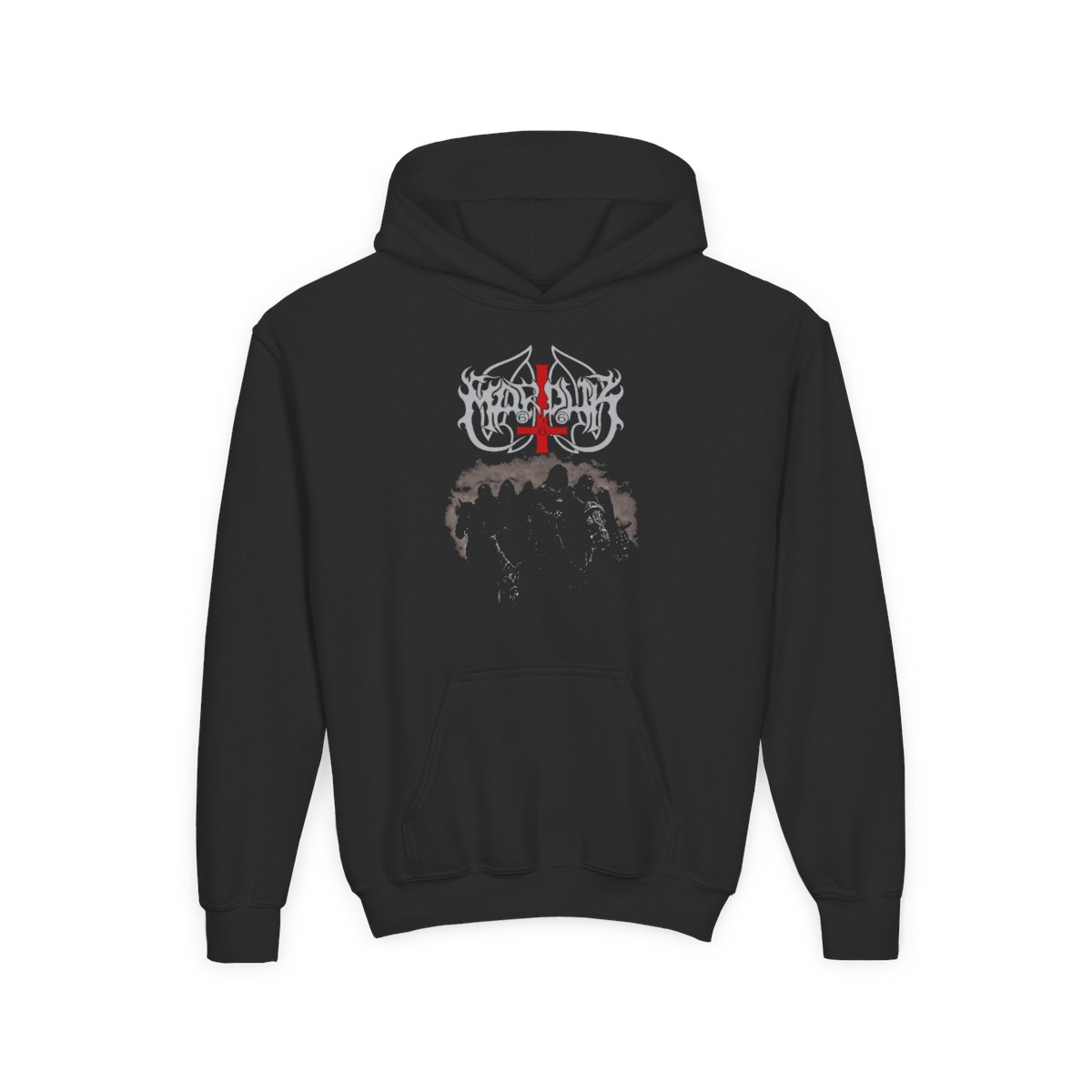
A Marduk piece to know
The second album gets its own design: a grey Marduk logo and a red inverted cross over six hooded figures, with Those of the Unlight 1993 on the back. It comes as a fleece hoodie and in youth sizes, so the Those of the Unlight youth hoodie is a strong pick for a younger listener working back through early black metal. The range also reaches the newest record with a crowned Memento Mori skull design.
How do they sit next to Sepultura?
Think of it as three ways into heavy music from the same era.
- If you love the groove of Roots or Chaos A.D., Danzig's blues and doom weight is the closest cousin: slow, heavy, built on riffs.
- If Beneath the Remains and Arise are your records, Marduk's speed and severity in the 1990s will feel familiar.
- If you just like a good name with a story, you now have three: a grave, a frontman and a Babylonian god.
On the wardrobe side, all three bands live in the same colours. A Sepultura logo tee, a Danzig skull and a Marduk album hoodie sit together without any effort, all black and bone with a flash of red.
Where to start
Put on Danzig (1988) and Those of the Unlight (1993) back to back, then go back to Arise and hear how differently three bands from the same six years took heavy music. When you are ready to wear the Brazilian side of it, our Sepultura shop has the logo glyph, the album art and the rest of the range.